Trezor Login: A Complete Guide to Secure Wallet Access
As cryptocurrency adoption continues to grow, protecting digital assets has become more important than ever. Unlike traditional financial systems, cryptocurrencies give users full control over their funds—but with that control comes full responsibility. One of the most effective ways to secure crypto holdings is by using a hardware wallet, and Trezor is one of the most trusted names in this space. Understanding the Trezor login process is essential for safely accessing and managing your cryptocurrency.
Understanding Trezor and Its Purpose
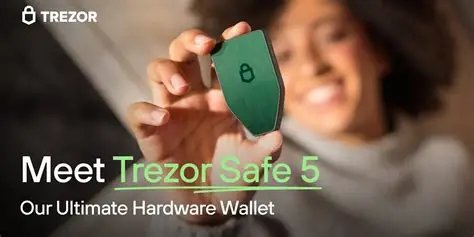
Trezor is a hardware-based cryptocurrency wallet that stores private keys offline. This offline storage model protects users from online threats such as hacking, phishing attacks, malware, and keyloggers. Trezor was introduced by SatoshiLabs in 2013 and quickly became a benchmark for hardware wallet security.
Unlike software wallets or exchange accounts, Trezor does not expose private keys to the internet. Instead, all sensitive operations are performed within the device itself. Trezor supports hundreds of cryptocurrencies, including Bitcoin, Ethereum, Litecoin, and numerous tokens, making it suitable for both beginners and experienced crypto users.
What Does “Trezor Login” Mean?
Trezor login does not function like a traditional username-and-password system. Instead, it refers to the secure authentication process required to unlock your hardware wallet and access your funds through software such as Trezor Suite.
Logging in involves:
Physical access to the Trezor device
Entering a PIN code
Optional passphrase verification
This design ensures that access to your wallet is protected even if your computer is compromised.
How to Log In to a Trezor Wallet
The login process is designed to be simple while maintaining the highest security standards. Below is a step-by-step overview:
1. Connect Your Device
Plug your Trezor device into your computer or mobile device using a USB cable or compatible adapter. The device powers on automatically.
2. Open Trezor Suite
Launch the official Trezor Suite application or use a supported web interface. This software allows you to interact with your wallet without exposing private keys.
3. Enter Your PIN
Your Trezor screen will display a randomized keypad. Enter your PIN using the device or interface, depending on your model. The randomized layout protects against keylogging attacks.
4. Use a Passphrase (If Enabled)
If you have enabled a passphrase, you will be prompted to enter it. Each passphrase opens a unique wallet, providing advanced security and privacy.
5. Access Your Wallet
Once verified, you can view balances, send or receive cryptocurrency, and manage multiple accounts securely.
Security Layers Behind Trezor Login
Trezor’s login system is built around multiple layers of protection:
PIN Protection
A mandatory PIN prevents unauthorized users from accessing the device. After multiple incorrect attempts, the device enforces delays, making brute-force attacks impractical.
Passphrase Security
The optional passphrase adds an additional authentication layer. Even with the correct PIN, funds remain inaccessible without the correct passphrase.
Physical Confirmation
All transactions must be confirmed on the device itself. This prevents malware from sending unauthorized transactions.
Recovery Seed Backup
During setup, Trezor generates a 12- or 24-word recovery seed. This seed is the ultimate backup and can restore your wallet on any compatible device if your Trezor is lost or damaged.
Common Login Problems and Solutions
While Trezor is highly reliable, users may occasionally face login-related issues:
Device Not Connecting
Ensure the USB cable is working properly and use official Trezor software. Avoid USB hubs when possible.
Forgotten PIN
If you forget your PIN, the device must be reset and restored using your recovery seed.
Incorrect Passphrase
Passphrases are case-sensitive. Entering a different passphrase opens a different wallet. Losing the correct passphrase means permanent loss of access.
Firmware Compatibility Issues
Outdated firmware may cause login errors. Keeping firmware updated ensures smooth operation and enhanced security.
Best Practices for Safe Trezor Login
To maximize safety when logging into your Trezor wallet, follow these recommendations:
Always use official Trezor software
Never enter your recovery seed online
Store your recovery seed offline in a secure location
Use a strong PIN and enable a passphrase
Avoid logging in on public or shared computers
Keep your device firmware updated
These practices significantly reduce the risk of unauthorized access.
Why Trezor Login Is More Secure Than Software Wallets
Compared to software wallets and exchange platforms, Trezor offers superior protection:
Private keys never leave the device
Login requires physical possession
Transactions require manual confirmation
Resistant to malware and phishing attacks
This makes Trezor ideal for long-term storage and high-value holdings.
Who Should Use Trezor?
Trezor is suitable for:
Long-term crypto investors
Users concerned about online threats
Individuals holding large crypto balances
Anyone seeking full ownership of private keys
Whether you are a beginner or an advanced user, understanding the login process helps you take full advantage of Trezor’s security features.
Conclusion
The Trezor login process is a cornerstone of secure cryptocurrency management. By requiring physical device access, PIN authentication, optional passphrases, and on-device confirmations, Trezor ensures that your digital assets remain protected from modern cyber threats.
In a decentralized financial world where security is your responsibility, Trezor provides the tools needed to stay safe. Learning how to properly log in, manage authentication, and follow best practices allows you to confidently control your cryptocurrency without relying on third parties.
Trezor login is not just a step—it is a security system designed to protect your financial future.