Trezor Login: Your Gateway to Secure Cryptocurrency Management
In the digital age, cryptocurrencies offer exciting opportunities, but they also come with significant security responsibilities. Unlike traditional banks, where your funds are safeguarded by institutions, cryptocurrency security depends largely on you. This is where hardware wallets, like Trezor, come into play. Understanding how Trezor login works is essential for anyone who wants to protect their digital assets while managing them efficiently.
What is Trezor?
Trezor is a type of hardware wallet, a physical device designed to store cryptocurrency private keys securely offline. Developed by SatoshiLabs in 2013, Trezor was the first widely available hardware wallet and quickly gained recognition for its high level of security and user-friendly design. Unlike software wallets or exchange accounts, Trezor keeps your private keys offline, making them nearly immune to online hacks, malware, and phishing attacks.
Trezor supports a wide array of cryptocurrencies, including Bitcoin, Ethereum, Litecoin, and thousands of ERC-20 tokens. It also integrates with different software platforms for managing crypto assets, allowing you to view balances, send transactions, and track your portfolio safely.
Why Trezor Login is Important
The login process on Trezor is not just about accessing your wallet—it’s about ensuring that your assets are secure at all times. Hardware wallets are designed with multiple layers of protection. Logging in requires both physical access to your device and knowledge of security credentials, such as your PIN or passphrase. This dual requirement ensures that even if someone steals your Trezor, they cannot access your funds without your authentication.
Trezor’s login process is carefully designed to balance security with convenience. Unlike traditional online accounts, it prevents unauthorized remote access. Understanding this process ensures that you can manage your digital assets without compromising their safety.
Step-by-Step Trezor Login Process
Logging into a Trezor wallet is straightforward but slightly different from software-based wallets. The steps below apply to both Trezor One and Trezor Model T devices:
Connect the Device: Use a USB cable to connect your Trezor to your computer, or a compatible adapter for mobile devices. Ensure the cable and port are in good condition.
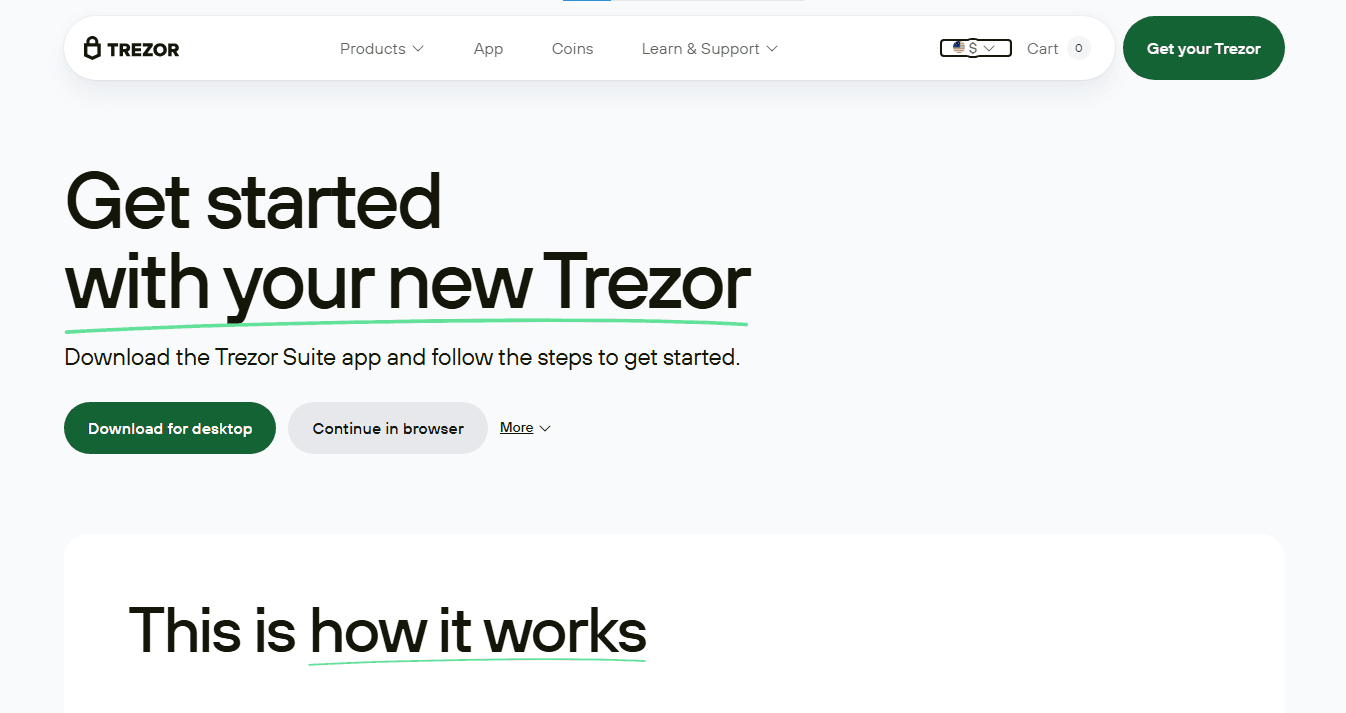
Open Trezor Interface: Access the Trezor Suite application or a supported web interface. This software acts as a secure bridge between your device and the blockchain, allowing you to manage your funds safely.
Enter Your PIN: When prompted, enter your PIN using the device’s on-screen keypad. The keypad is randomized every time you log in to prevent keyloggers from capturing your code.
Input Passphrase (Optional): If you enabled a passphrase, enter it now. Passphrases act as a secondary layer of security and can generate additional wallets on the same device.
Access Wallet: Once authenticated, you can view your account balances, send and receive cryptocurrencies, and manage multiple wallets securely.
Security Features in Trezor Login
Trezor login is designed to provide maximum protection against hacking. Some of the key security features include:
PIN Security: The randomized PIN entry prevents malicious software from tracking your code.
Passphrase Protection: An optional passphrase adds another layer of security. Even if someone knows your PIN, they cannot access wallets protected by a passphrase.
Physical Transaction Confirmation: Every transaction must be confirmed on the device itself, making remote hacking nearly impossible.
Recovery Seed: Trezor generates a 12- or 24-word recovery seed during setup. This seed is crucial for restoring access if the device is lost or damaged. It must be kept offline and private.
Common Issues and Solutions
Even with Trezor’s security-focused design, users may encounter login challenges:
Device Not Detected: Ensure your USB cable and port are functional. Use official Trezor Suite or supported browsers to connect.
Forgotten PIN: If you forget your PIN, you can recover your wallet using your recovery seed, though this requires resetting the device.
Lost Passphrase: If you lose a passphrase, the associated wallet cannot be accessed. There is no backdoor, making this a critical security consideration.
Outdated Firmware: Login issues may occur if your device firmware is outdated. Regular updates are necessary to maintain security and functionality.
Best Practices for Safe Trezor Login
To make the most of your Trezor wallet and avoid security risks:
Always access your wallet through official channels. Phishing websites are common in the crypto space.
Never share your PIN, passphrase, or recovery seed with anyone. Legitimate support teams will never ask for these.
Use a passphrase for added security, especially for wallets with substantial funds.
Keep your Trezor firmware up to date. Updates often patch security vulnerabilities and improve functionality.
Only connect your Trezor to trusted devices to reduce malware risks.
Why Trezor Login Stands Out
Unlike software wallets or online exchanges, Trezor’s login system provides offline security combined with user-friendly access. By requiring both physical confirmation and knowledge-based credentials, it ensures your funds are protected even in the event of theft or hacking attempts. This combination of convenience and security makes Trezor one of the most reliable solutions for cryptocurrency management.
Conclusion
Trezor login is more than a routine step—it’s a vital security gateway to your digital assets. By combining PIN protection, optional passphrases, and offline storage of private keys, Trezor ensures your cryptocurrencies remain safe from unauthorized access. Understanding how to log in properly and following security best practices empowers you to manage your funds confidently in the volatile world of digital currencies.
In a space where cyber threats are constant and the stakes are high, Trezor provides peace of mind. Properly executed login procedures, combined with cautious security practices, can safeguard your cryptocurrencies for years to come. For anyone serious about protecting their digital wealth, mastering Trezor login is essential.