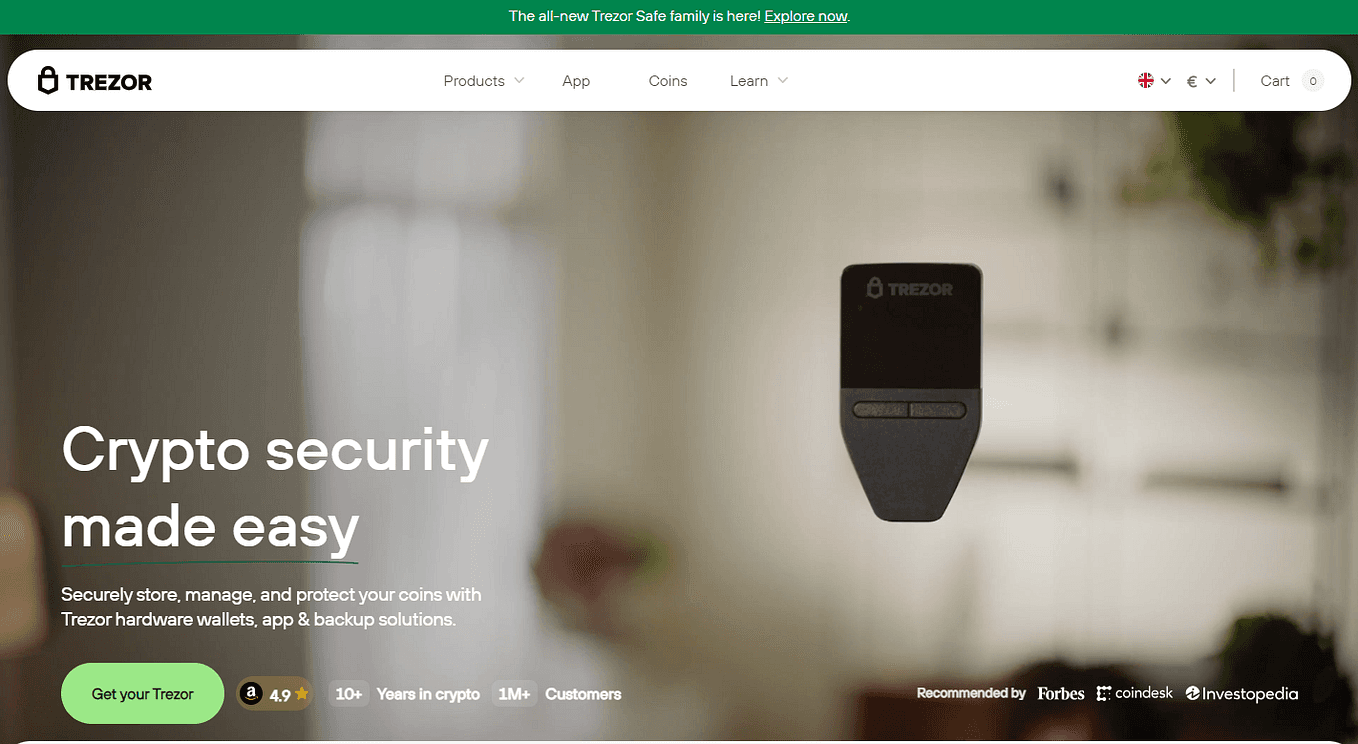
Trezor Login: Secure Access to Your Cryptocurrency Wallet
In the rapidly evolving world of cryptocurrencies, security has become one of the most crucial aspects of managing digital assets. Unlike traditional banking systems where a centralized authority safeguards your money, cryptocurrency relies heavily on personal responsibility for security. Among the most trusted solutions for securing cryptocurrencies are hardware wallets, and Trezor stands out as a pioneering device in this category. Understanding the Trezor login process is essential for anyone looking to manage their digital assets safely and efficiently.
What is Trezor?
Trezor is a hardware wallet designed to provide maximum security for cryptocurrencies. Developed by SatoshiLabs in 2013, Trezor was the first commercially available hardware wallet and has since built a strong reputation for security and reliability. Unlike software wallets that store private keys on an internet-connected device, Trezor stores them offline, significantly reducing the risk of hacks or malware attacks.
Trezor supports a wide range of cryptocurrencies, including Bitcoin, Ethereum, Litecoin, and thousands of ERC-20 tokens. Its integration with various cryptocurrency management platforms allows users to perform transactions, manage accounts, and monitor balances while keeping their private keys securely offline.
Why Trezor Login Matters
The Trezor login process is a critical step in accessing your cryptocurrency wallet. Since hardware wallets are designed to prevent unauthorized access, logging in requires both physical access to the device and knowledge of security credentials such as a PIN or passphrase. This two-factor protection ensures that even if someone gains access to your Trezor device, they cannot access your funds without your authentication.
Trezor login is not just a simple password entry; it’s a carefully designed process that balances security and usability. Users must interact with the device directly to confirm sensitive operations, which makes remote hacks virtually impossible. By understanding the login procedure, users can safeguard their digital assets while enjoying the convenience of modern cryptocurrency management.
Steps to Login to Trezor
Logging in to Trezor involves connecting your hardware wallet to a computer or mobile device and using Trezor’s interface software. The steps may vary slightly depending on the model (Trezor One or Trezor Model T), but the general process is as follows:
Connect Your Trezor Device: Use the USB cable to connect your Trezor device to your computer or mobile device. For mobile devices, ensure you have the compatible Trezor app or browser support.
Access Trezor Web Interface: Open the Trezor web wallet or the Trezor Suite application. This interface acts as a bridge between your device and the blockchain, allowing you to manage your funds securely.
Enter Your PIN: The device will prompt you to enter your PIN. Trezor uses a unique randomized keypad displayed on the device screen, preventing keyloggers from capturing your PIN. Enter your PIN directly on the device to authenticate yourself.
Enter Passphrase (Optional): If you have set up a passphrase in addition to the PIN, the device will ask for it. This extra layer of security can create a virtually infinite number of wallets linked to a single Trezor device.
Access Your Wallet: Once the PIN (and passphrase, if applicable) is validated, you can access your cryptocurrency wallet. You can now view balances, initiate transactions, and manage multiple accounts.
Security Features During Trezor Login
The login process for Trezor is specifically designed to minimize the risk of unauthorized access. Several features make it one of the most secure wallet login methods available:
PIN Protection: The device requires a PIN to unlock. The randomized keypad prevents attackers from deducing your PIN through observation or malware.
Passphrase Support: Users can add an extra passphrase that functions as a second factor. Even if someone steals your device and knows your PIN, they cannot access wallets protected by a passphrase.
Physical Confirmation: Every critical transaction must be confirmed physically on the Trezor device. This feature ensures that malware on your computer cannot perform unauthorized transfers.
Recovery Seed: During the initial setup, Trezor generates a 12- or 24-word recovery seed. This seed can restore your wallet if the device is lost or damaged. The seed must be kept offline and private, as anyone with access to it can access your funds.
Common Issues and Troubleshooting
Even though Trezor login is generally straightforward, users may encounter some common issues:
Device Not Recognized: If your Trezor is not recognized by your computer, check your USB connection and ensure you are using the official Trezor Suite application or supported browser.
Forgotten PIN: If you forget your PIN, Trezor allows wallet recovery using the recovery seed. Note that this will require resetting the device.
Passphrase Problems: If a passphrase is forgotten or lost, access to the associated wallet is permanently lost. There is no backdoor; this is by design for security purposes.
Software Updates: Keeping the Trezor firmware up to date is essential. Outdated firmware may cause login issues or expose vulnerabilities.
Tips for a Safe Trezor Login Experience
To maximize security during Trezor login and daily use, follow these best practices:
Always verify the website or application you are using to access your Trezor. Phishing sites are common in the cryptocurrency world.
Never share your PIN or recovery seed with anyone. No legitimate support team will ask for these details.
Consider using a passphrase for added security, especially if you hold substantial amounts of cryptocurrency.
Regularly update your device firmware to benefit from the latest security enhancements.
Use a trusted computer or device to access your wallet, minimizing the risk of malware interference.
Conclusion
Trezor login is more than a mere entry point to a cryptocurrency wallet; it is a gateway designed to protect some of your most valuable digital assets. By combining PIN protection, optional passphrases, physical confirmation of transactions, and offline storage of private keys, Trezor offers one of the most secure ways to manage cryptocurrencies today. Understanding the login process, along with proper security practices, empowers users to navigate the digital finance world safely and confidently. For anyone serious about cryptocurrency security, mastering the Trezor login procedure is an essential step.
With the rise of cyber threats and the increasing value of digital assets, hardware wallets like Trezor are not just a convenience—they are a necessity. Properly understanding and executing the login process ensures your funds remain secure, giving you peace of mind in the volatile world of cryptocurrencies.